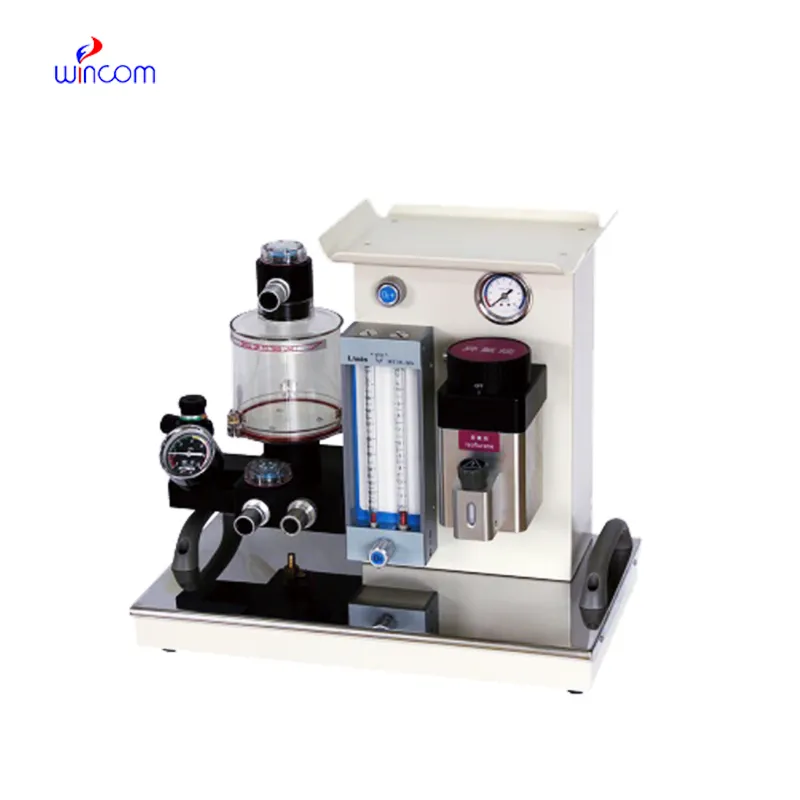
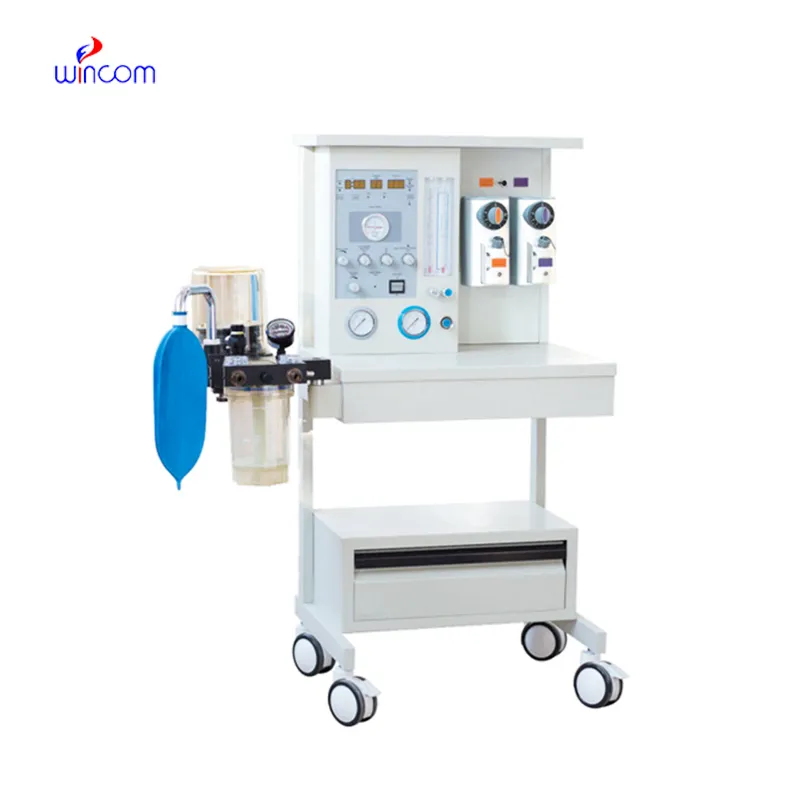
In a hospital environment, anesthesia machines acts as the primary tool for the delivery of regulated anesthesia with active patient monitoring. It constantly gives information about the state of sedation such as oxygen, respiration, and gas levels. Therefore, the anesthetist is still able to keep the patient safe during surgeries and other critical parts of the patient’s medical care through this device. The unification of the vaporizers, the flow meters, and safety systems results in performances that are always trustworthy in areas like operating rooms, post-op recovery, and medical research, therefore being a big help in the area of anesthesia-related incidents since they will occur less frequently due to the greater procedural consistency.

In medical research done in the laboratory, anesthesia machines is utilized for keeping anesthesia under control during experimental procedures. The researchers apply the instrument for the purpose of keeping steady respiratory conditions and thereby studying physiological reactions. The anesthetic's delivery exactness is determined to be the basis for the experiments' reproducibility and safety. The capability of the device to monitor helps to observe the respiratory and oxygen variables during the entire course of the experiment. This specific use exemplifies the importance of anesthesia machines in assisting clinical trials and laboratory studies in the realm of medicine.
As a result of developments in laboratory and research environments, the future of anesthesia machines might consist of more precise experimental anesthesia protocols. Control systems that are more advanced could enable the researchers to keep the very stable environments for a long-term study. The data recording and analysis could become very complex, thus supporting the research accuracy. The above-mentioned advances would demonstrate the increasing importance of anesthesia machines not only in the clinical surgery but also in medical science and experimental research areas by making it more relevant.
It is vital to have a long-term maintenance plan for controlling anesthesia machines in the various hospital departments. The schedules of preventive maintenance allow for predicting replacement of the components even before their performance drops. The alliance between the clinicians and the technicians guarantees that service is provided at the right time. This systematic method enables uninterrupted use of anesthesia machines. Through the preventive maintenance approach, the hospitals are always ready to operate and, at the same time, they are taking care of their investment in the medical devices that are most critical.
anesthesia machines is a crucial medical apparatus used in hospitals, intended to administer accurate anesthetic gases and at the same time, allow patient ventilation during surgery. It incorporates monitoring systems which constantly measure the oxygen levels, respiratory rate, and airway pressures, thus ensuring patient safety during the entire procedure. The device, which is made up of vaporizers, flow meters, and alarms, allows anesthesiologists to control sedation uniformly and react to different physiological situations. Its use goes from operating rooms to emergency departments and laboratory-based clinical studies, thus providing consistent performance for efficient anesthesia administration and facilitating good patient management in various hospital environments.
Q: What is the main function of an anesthesia machine? A: Controlled anesthetic gases are delivered and the patient is ventilated during medical procedures. Q: Where is the anesthesia machine frequently used? A: Hospitals mainly use it in their operating rooms, emergency units, and intensive care departments. Q: Who operates the anesthesia machine during surgery? A: Trained anesthesiologists or anesthesia technicians are responsible for operating the device. Q: Can the anesthesia machine assist the breathing of a patient? A: Yes, by providing mechanical ventilation support when spontaneous breathing is insufficient. Q: Does the device monitor respiratory parameters? A: It monitors airflow, pressure and oxygen concentration all through the delivery.
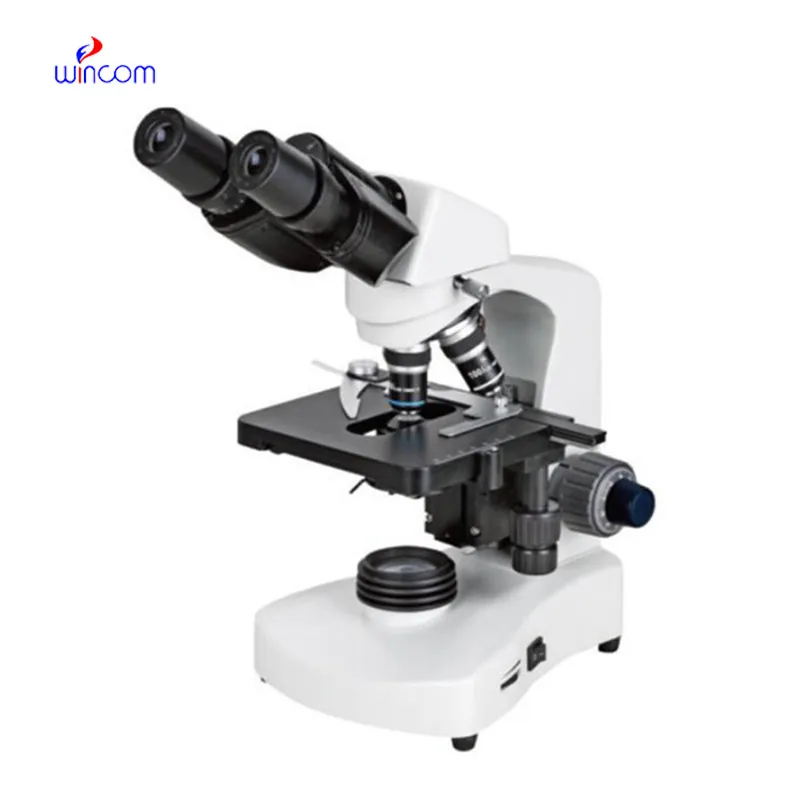
I’ve used several microscopes before, but this one stands out for its sturdy design and smooth magnification control.
The hospital bed is well-designed and very practical. Patients find it comfortable, and nurses appreciate how simple it is to operate.
To protect the privacy of our buyers, only public service email domains like Gmail, Yahoo, and MSN will be displayed. Additionally, only a limited portion of the inquiry content will be shown.
We’re currently sourcing an ultrasound scanner for hospital use. Please send product specification...
Hello, I’m interested in your centrifuge models for laboratory use. Could you please send me more ...
E-mail: [email protected]
Tel: +86-731-84176622
+86-731-84136655
Address: Rm.1507,Xinsancheng Plaza. No.58, Renmin Road(E),Changsha,Hunan,China


 EN
 af
 es
 ar
 tr
 sw
 pt
 th
 ur
 bn
 ne
 vi
 km
 lo
 de
 ru
 fi
 nl
 fa
 fr
 ko